

Every year brings a new marketing trend.
New tools. New platforms. New promises.
But in 2026, the question is no longer “What is new?” It is “What actually drives results?”
Digital marketing is more complex than it was five years ago. AI in digital marketing is expanding. Privacy laws are tightening. Competition is increasing. Customers are more informed.
If you are a business owner trying to decide where to focus first, here is a clear, practical breakdown.
Start With Foundation Before Automation
If your fundamentals are weak, automation simply scales the problem.
In 2026, businesses should prioritize:
- A fast, mobile-responsive website
- Clear messaging and value proposition
- Defined target audience
- Accurate analytics tracking
Without these, even the best digital marketing service will struggle to produce measurable ROI.
Search Visibility Still Comes First
When someone searches for a solution, they are closer to taking action.
That is why SEO services continue to be a priority. Search engine optimization supports:

- Organic traffic growth
- Authority building
- Long-term cost efficiency
- Credibility in competitive markets
Digital marketing trends evolve, but visibility in search results still influences buying decisions heavily.
If you want a broader overview of available options, our guide on What Are the Top 10 Types of Digital Marketing Solutions? provides helpful context for understanding how SEO fits within the larger ecosystem.
AI in Digital Marketing: Tool, Not Strategy
AI is reshaping workflows, content optimization, predictive analytics, and audience targeting.
However, AI is not a replacement for strategy.
In the United States, businesses must ensure AI-generated marketing materials comply with:
- Federal Trade Commission advertising truth-in-marketing standards
- Proper disclosure requirements
- Data privacy regulations such as state-level privacy laws
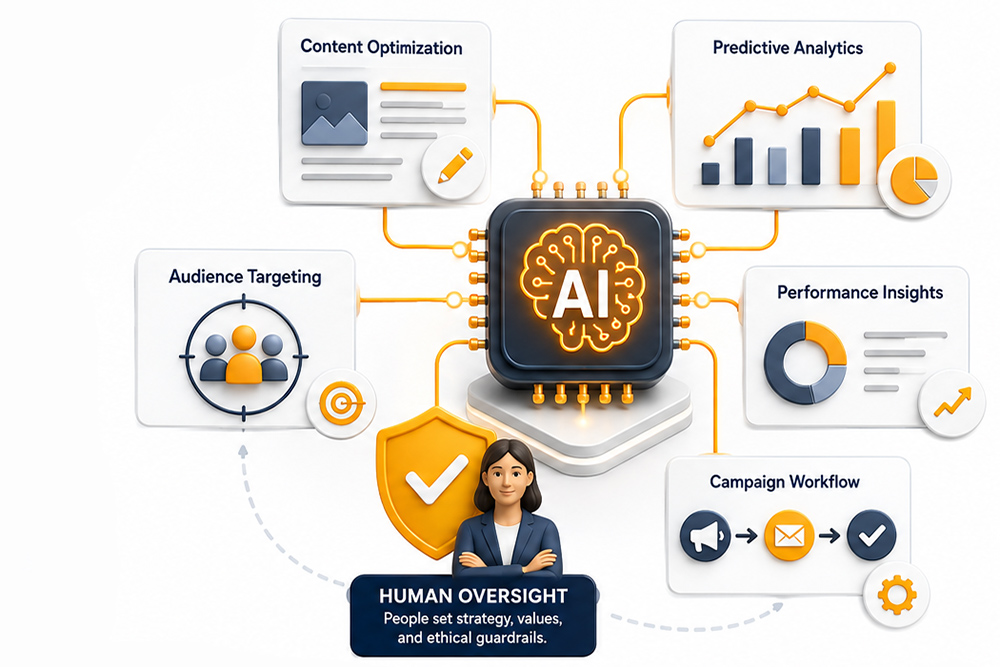
Using AI responsibly means maintaining transparency and human oversight.
AI works best when it supports research, segmentation, and performance analysis while humans guide messaging and ethical standards.
Build Trust Before Chasing Scale
They check reviews. They verify credentials. They research businesses before submitting forms.
Google’s emphasis on Experience, Expertise, Authoritativeness, and Trustworthiness aligns with this behavior.
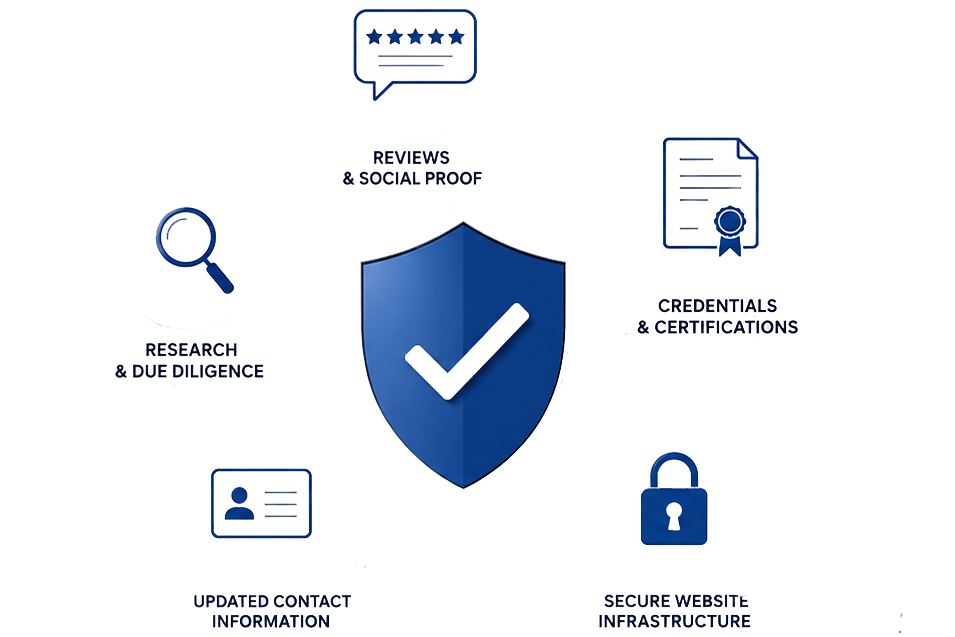
Businesses should prioritize:
- Transparent service descriptions
- Clear pricing ranges where possible
- Case examples
- Updated contact information
- Secure website infrastructure
A reputable digital marketing agency or digital marketing company will often begin with credibility building rather than flashy campaigns.
Data Privacy Is Not Optional
Digital marketing efforts involving:
- Email campaigns
- Retargeting ads
- Behavioral tracking
- SMS marketing

must respect federal and state-level privacy and consumer protection regulations.
Clear opt-ins, unsubscribe options, and transparent data policies are essential. Ignoring compliance can result in fines or reputational damage.
Strong digital marketing today balances performance with responsibility.
Conversion Optimization Beats Traffic Growth
Businesses should focus on:
- Improving landing page clarity
- Simplifying contact forms
- Strengthening calls to action
- Reducing friction in checkout processes
Conversion rate optimization often produces faster ROI than simply increasing ad spend.
A well-structured digital marketing service strategy aligns content, SEO, paid media, and website design toward measurable actions rather than vanity metrics.
Omnichannel Alignment Matters More Than Platform Hopping
Instead, prioritize alignment:
- SEO supports organic discovery
- Paid ads accelerate targeted reach
- Social media builds engagement
- Email nurtures relationships
- Website design converts visitors
When these channels work together, performance improves significantly.
A cohesive digital marketing strategy feels intentional, not scattered.
Common Questions Businesses Are Asking
Should small businesses invest in AI tools immediately?
Is hiring a digital marketing agency better than building an in-house team?
What delivers faster results: paid ads or SEO?
What to Prioritize First in 2026

Strengthen website foundation

Improve search visibility

Optimize conversions

Ensure compliance and data transparency

Integrate AI responsibly
Digital marketing in 2026 is not about complexity. It is about clarity, consistency, and accountability.
Conclusion
If you are ready to refine your digital marketing strategy and focus on what truly drives measurable growth, now is the right time to evaluate your next steps. Get in touch today to discuss how a structured, forward-thinking approach can position your business for lasting success.