


Search has never stood still, but 2026 marks a noticeable shift in how content is interpreted, ranked, and surfaced. The biggest change is not just new algorithms or ranking signals. It is the way AI SEO is reshaping how Google understands meaning, context, and intent behind every page.
If you create content, manage a business website, or rely on organic visibility, understanding this shift is no longer optional. It directly affects how content is evaluated and why some pages rise while others quietly disappear.
Let’s look at what is actually changing and what visitors need to know.
From Keywords to Meaningful Understanding
For years, SEO revolved around keywords. If a page mentioned a phrase enough times, it could rank. That model no longer reflects how search works today.
In 2026, Google relies heavily on AI systems that interpret meaning, not just matching terms.
Instead of asking:
“Does this page contain the keyword?”
Google now asks:
“Does this page clearly explain the topic in a way a human would trust?”
This is where AI SEO Content plays a role. Content is evaluated based on clarity, structure, relevance, and how well it answers real questions.
Why Content Structure Matters More Than Ever
One of the most common issues businesses faces is assuming good writing alone is enough. AI-driven ranking systems look deeper.
Google now evaluates:
- How logically ideas are organized
- Whether headings guide the reader naturally
- If related questions are answered nearby
- How well subtopics connect to the main theme
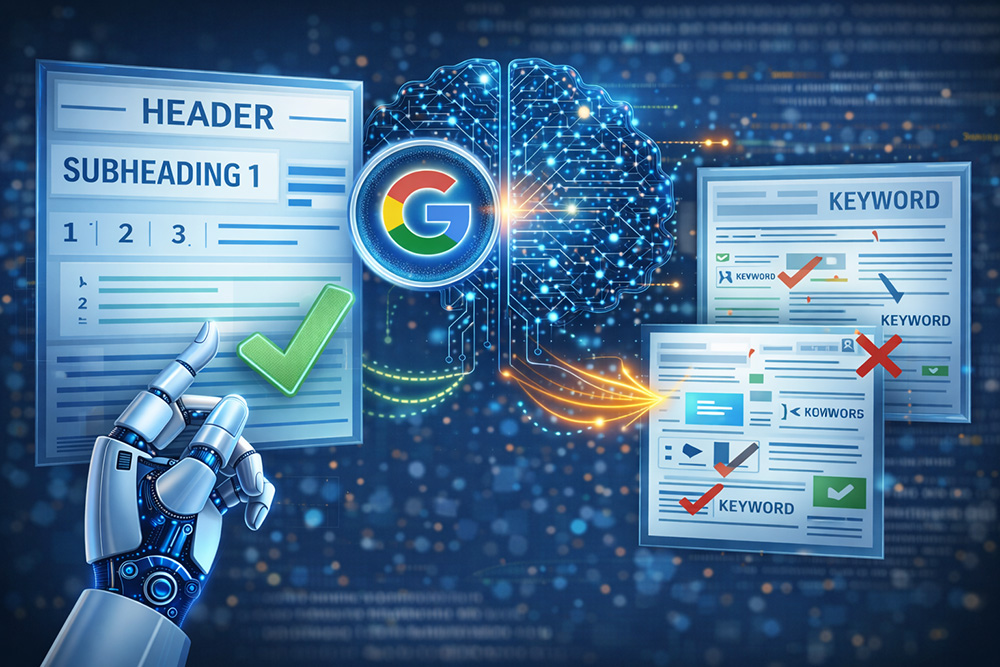
This directly affects Google Content Ranking. Pages that feel scattered or overly optimized for keywords struggle, even if the information is technically correct.
Well-structured content signals understanding, not just information.
How AI SEO Changes Local Search Interpretation
Local search has seen some of the biggest changes.
AI models now assess:
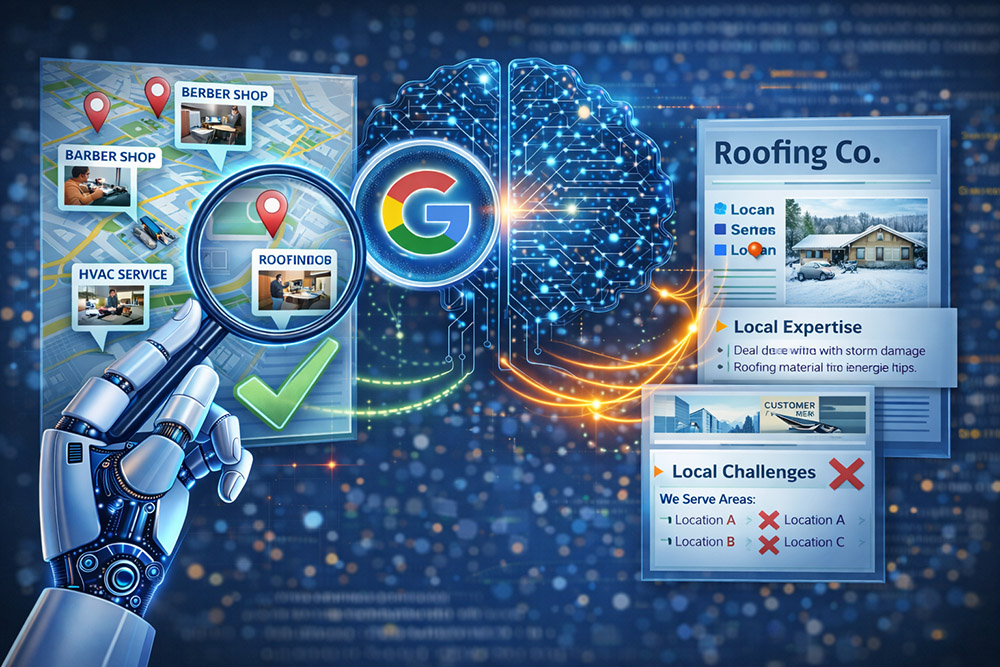
- Whether a page genuinely reflects local expertise
- If services are explained in a real-world context
- How clearly a business demonstrates relevance to a location
This is why Local SEO Services are no longer just about listings or city names on pages. AI evaluates whether the content feels useful to someone searching locally.
For example, a Local SEO Company that explains local challenges, customer concerns, and service expectations often performs better than one that simply lists locations.
Expertise Is Interpreted, Not Claimed
One of the biggest misunderstandings around EEAT is thinking expertise can be stated outright.
In reality, AI looks for signs of experience through:
- Depth of explanation
- Practical insights instead of surface-level advice
- Consistency across related topics
- Clear explanations without filler language
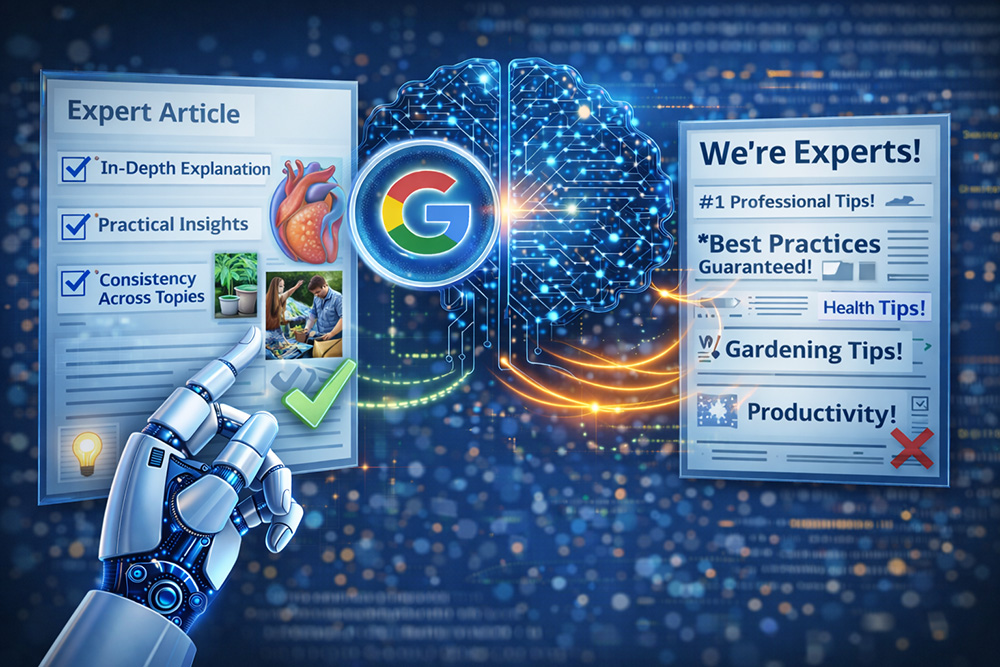
This is why pages written with AI SEO Service strategies focus less on buzzwords and more on demonstrating understanding naturally.
The Role of AI in Content Evaluation, Not Creation
Another common question is whether AI-written content ranks better.
The answer is more nuanced.
AI itself is not the ranking factor. What matters is whether content:
- Solves the searcher’s problem
- Matches intent accurately
- Avoids exaggeration or vague claims
- Feels written for people first
This applies whether you work with a Local SEO Consultant, a Local SEO Firm, or manage content in-house.
Related: What You Need to Know Before Hiring a Local SEO Expert? Understanding how AI affects content performance is crucial when choosing an SEO partner look for those who embrace this new landscape rather than rely on outdated tactics.
Why Thin Pages Are Losing Visibility
In 2026, Google has become far better at identifying pages created just to exist.
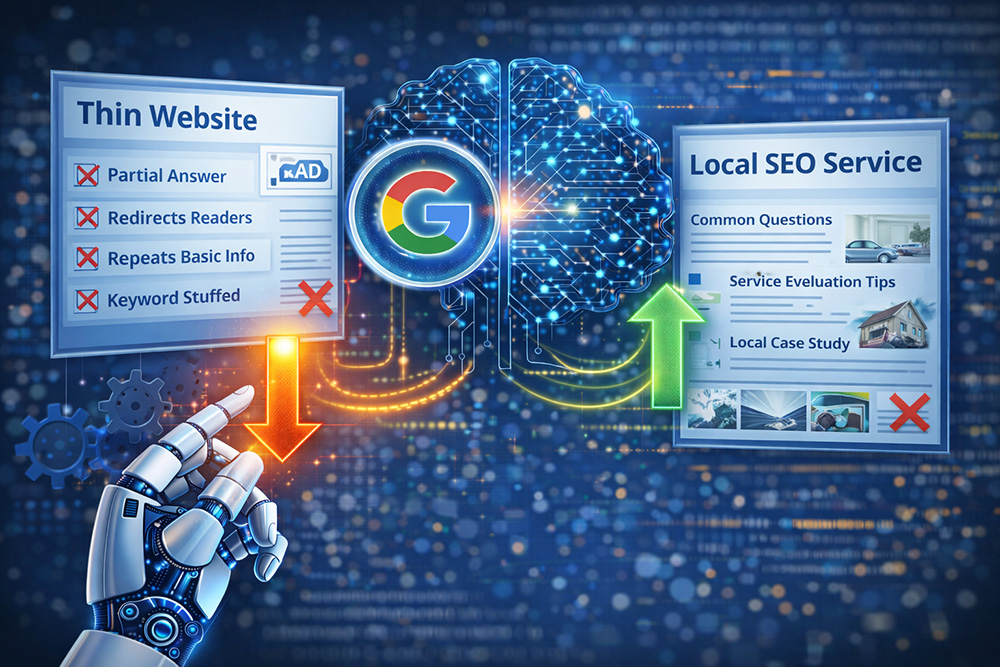
Thin pages often:
- Answer questions partially
- Redirect readers without adding value
- Repeat information found elsewhere
- Exist solely for keyword coverage
AI SEO systems reduce visibility for this type of content, especially in competitive local spaces where users expect practical answers before they Hire Local SEO Services.
What This Means for Businesses in 2026
The shift toward AI-driven understanding changes how SEO should be approached.
Success now depends on:
- Clear explanations written for real people
- Content that anticipates follow-up questions
- Pages that demonstrate experience without forcing it
- Strong alignment between content purpose and user intent
Whether you are evaluating a Local SEO Agency or managing strategy internally, AI SEO rewards usefulness, not shortcuts.
A Practical Next Step
If your content strategy still focuses on keyword density or surface-level optimization, it may be time to reassess.
AI SEO is not about chasing algorithms. It is about aligning content with how people actually search, read, and decide.
If you are considering professional guidance, working with a team that understands modern AI SEO and local search behavior can make that transition smoother. Contact us today to explore how AI-driven SEO strategies can support long-term visibility and trust.